A heat pump installation in Sonoma County usually falls within a broad range that depends on three things: whether your home already has usable ductwork, how much heating and cooling capacity it actually needs, and whether your electrical panel can support the new equipment. There is no single sticker price—replacing an aging furnace-and-AC pair with a ducted system is a very different project than retrofitting a ductless system into an older home with no ducts at all. The encouraging part for North Bay homeowners is that federal, state, and local incentives can lower your net cost meaningfully. Below we explain what actually moves the number, using honest industry ranges instead of a figure we’d have to invent.
What a heat pump install actually includes
A heat pump is one system that both heats and cools by moving heat instead of burning gas, so when you price a “heat pump install” you’re pricing a year-round comfort system—not just an air conditioner. If the technology is new to you, our explainer on how a heat pump works is a good five-minute primer.
A complete installed price typically bundles:
- The outdoor unit (the heat pump itself) plus the indoor air handler or coil
- Refrigerant lines, electrical connections, condensate handling, and a compatible thermostat
- Removal and disposal of your old equipment
- Permits and any required HERS (Home Energy Rating System) verification under California’s energy code
- Startup, commissioning, and a capacity check against your home’s actual load
When a quote looks suspiciously low, one of those line items is usually missing—most often the permit, the electrical work, or proper sizing.
What drives the cost of a heat pump in Sonoma County?
Five variables explain most of the spread between a modest project and a large one.
| Cost driver | Why it moves the price | Honest industry range |
|---|---|---|
| System type | Ducted central vs. ductless changes both equipment and labor | Ducted central ≈ $8,000–$20,000+; single-zone ductless ≈ $4,000–$8,000; multi-zone ductless ≈ $10,000–$30,000 [CONFIRM: verify current installed ranges for the North Bay] |
| Capacity (system size) | Right-sized beats oversized—every time | Set by a Manual J load calculation, not square footage alone |
| Ductwork condition | Leaky or undersized ducts may need sealing or replacement | Duct repair/sealing commonly adds a few hundred to a few thousand dollars [CONFIRM] |
| Electrical panel | Older homes may need a circuit or service upgrade | A 100A-to-200A service upgrade is a common North Bay add-on [CONFIRM: verify current panel-upgrade costs] |
| Efficiency tier | Higher SEER2 and HSPF2 ratings cost more up front | Premium-efficiency equipment raises equipment cost but lowers operating cost |
The single biggest swing is ducted vs. ductless. If you already have sound ducts, a ducted replacement is usually the most economical path. If you don’t—common in older homes and additions—ductless avoids the cost and disruption of installing new ductwork from scratch.
How do rebates and credits change your net cost?
This is where North Bay homeowners have a real advantage. Several programs can stack to reduce what you actually pay:
- Federal 25C tax credit — the Energy Efficient Home Improvement Credit covers a share of qualifying heat-pump costs up to an annual cap (commonly cited as 30% up to $2,000) [CONFIRM: verify current federal 25C amounts and eligibility].
- TECH Clean California / BayREN — statewide and regional electrification rebates for qualifying heat-pump installations [CONFIRM: verify current TECH Clean California and BayREN amounts].
- Sonoma Clean Power — local programs and incentives for customers within its service territory [CONFIRM: verify current Sonoma Clean Power incentives].
Because eligibility, dollar amounts, and stacking rules change, we walk every homeowner through current options during the estimate—see our overview of heat pump rebates in Sonoma County for the categories to ask about. The headline: your net cost after incentives can be dramatically lower than the gross quote.
Where heat-pump quotes go wrong
After installing systems across the North Bay since 2008, the costliest mistakes we see are rarely about the equipment brand:
- Skipping the load calculation. Sizing off square footage tends to oversize the system, which short-cycles, wears parts faster, and controls humidity poorly.
- Ignoring the ducts. Putting an efficient heat pump on leaky 1970s ductwork wastes the efficiency you just paid for.
- Forgetting the panel. Discovering a needed electrical upgrade after signing leads to change orders and frustration.
- Chasing the lowest bid. A quote missing permits or HERS verification isn’t cheaper—it’s incomplete, and it can complicate a future home sale.
What we see in North Bay homes
Across Santa Rosa, Petaluma, Rohnert Park, and the rest of our service area—Sonoma, Marin, and Napa Counties—the local housing mix shapes cost more than it does in most regions. Many homes were built before central air was standard, and a lot of them have additions, in-law units, or ADUs that were never tied into the original duct system. For those spaces, ductless zones are often the most cost-effective way to add real comfort without tearing into walls and ceilings—we typically use Mitsubishi Electric ductless equipment for retrofits and Trane central systems where sound ducts already exist, then recommend whatever genuinely fits the home.
Our mild coastal winters also work in homeowners’ favor. Because temperatures here rarely sit far below freezing for long, a properly sized high-efficiency heat pump can comfortably handle heating most of the year—which makes switching away from gas more practical than it is in colder climates. We also routinely find older 100-amp panels that need attention before a heat pump goes in, so it’s worth confirming whether your electrical panel is ready for a heat pump before you set a budget. Catching that early is what prevents change orders and surprises later.
Your next step
The honest answer to “what will mine cost?” comes from a load calculation, a look at your ducts and panel, and a current rebate check—not a number off a web page. Our free cost and financing-payment estimators give you an honest starting range to plan around before anyone visits. If you’ve already received a bid and want a sanity check, a free second opinion is a low-pressure way to compare scope and pricing. When you’re ready to plan the budget, our flexible financing options and our guide to financing vs. paying cash can help you decide how to fund the project. You can also reach our Rohnert Park office at (707) 795-7219, Monday–Friday, 7AM–4PM.
Frequently asked questions
Is a heat pump more expensive than a standard AC and furnace?
Up front, a heat pump can cost more than a like-for-like AC swap because it replaces both heating and cooling in one system and may involve electrical work. Over time, though, eliminating a separate gas furnace and qualifying for incentives can narrow or even close that gap. The fair comparison is total installed cost minus rebates, measured against whatever system you’d otherwise buy.
Do rebates really make a difference, or is that just marketing?
They’re real, but they change. Federal, state, and local programs can stack, and for qualifying projects the combined savings are substantial. Because amounts and eligibility shift year to year, we verify current programs at the time of your estimate rather than promising a fixed dollar figure [CONFIRM: verify current rebate amounts for the North Bay].
Why won’t you just post a price?
Because an honest heat-pump price depends on your home’s size, ductwork, and electrical service—variables we can’t see from a website. Posting a single number would either overcharge simple jobs or under-quote complex ones. We’d rather measure your home and give you a real figure.
How long does a heat pump installation take?
A straightforward ducted replacement is often a one- to two-day job, while ductless multi-zone projects or installs that include a panel upgrade can run longer. We confirm the timeline in writing before work begins so you’re never left guessing.
Reviewed by: Chris Street
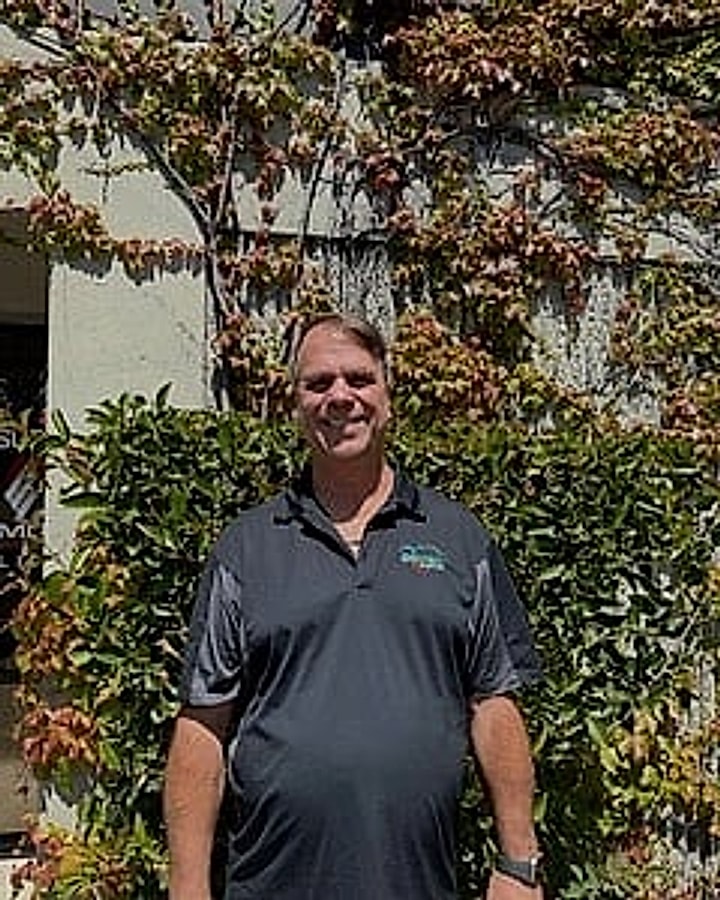
Author: Chris Street · Co-Owner & Comfort Specialist
Chris Street brings 32 years of hands-on HVAC experience to every Enviro project. He co-owns Enviro Heating & Air Conditioning with his wife, Lori — a true family business, with five of their children working alongside them. Founded in 2008 and based in Rohnert Park, the NATE-certified, Diamond Certified team (California CSLB #928565) is built on honesty, reliability, and community, delivering energy-efficient comfort and top-tier workmanship across Sonoma, Marin, and Napa Counties.
Published: · Last updated: