Replacing or upgrading your HVAC system is one of the bigger investments you’ll make in your home, and the homeowners who end up happiest are the ones who tackle it in the right order. The short version: pin down your actual comfort problems, get a proper load calculation, choose the system type, line up rebates and financing, then vet your contractor and permits before you schedule the install. Below is the same step-by-step roadmap our family-owned team in Rohnert Park has walked North Bay homeowners through since 2008. Use it to stay in control of the project from day one.
Before you begin: gather the basics
A little prep makes every later step faster and your quotes more accurate. Before you call anyone, it helps to have a few things on hand:
- The age and history of your current system — roughly when it was installed and what’s been repaired.
- A recent energy bill or two — useful context for comfort and efficiency conversations.
- Your top comfort complaints, room by room — the hot bedroom, the cold hallway, the dust.
- A rough budget range and timeline — so financing and rebates can be matched to reality.
- Any known issues — a recurring breaker trip, a refrigerant leak, or strange noises worth flagging.
None of this needs to be perfect. It simply keeps the project focused on your home rather than a generic package.
Step 1 — Start with the problem, not the product
Before you shop for equipment, get clear on what’s actually wrong. Are certain rooms always too hot or too cold? Are your energy bills climbing season over season? Is your system more than 12–15 years old, getting noisy, or needing repairs every year? Writing down the symptoms keeps the project anchored to your comfort instead of a sales pitch.
This is also the right moment to get a second set of eyes. If another company has already quoted you a full replacement, a free second opinion can confirm whether you truly need new equipment or just a targeted repair. We’d rather fix a $400 problem than sell you a system you don’t need.
Step 2 — Get a real load calculation (Manual J)
The single most important technical step is sizing the system correctly. A proper Manual J load calculation accounts for your home’s square footage, insulation, windows, orientation, and air leakage to determine exactly how much heating and cooling you need. Oversized systems short-cycle, wear out early, and leave rooms clammy; undersized systems run constantly and never quite catch up.
Be wary of any contractor who “sizes” your new system by simply matching the old one — that old unit may have been wrong for decades. Learn more about what size HVAC system you need, and use our interactive HVAC tools and estimators to get a ballpark before your in-home visit.
Step 3 — Choose the system type that fits your home
North Bay homes range from 1920s bungalows in Santa Rosa to newer builds in Rohnert Park and Petaluma, so there’s no single “best” system. Your main options:
- Central AC + gas furnace — the traditional split system; familiar and effective.
- Heat pump — heats and cools with electricity, a strong fit for our mild Sonoma County climate and the direction most rebates are pushing.
- Dual-fuel — pairs a heat pump with a gas furnace for the coldest winter mornings.
- Ductless mini-split — ideal for additions, older homes without ductwork, or rooms that never get comfortable. Ductless mini-split systems — we install Mitsubishi Electric ductless — are common for these retrofits.
The right choice depends on your ductwork, fuel access, and budget. We stay equipment-brand-neutral and recommend based on your home, not a quota.
Step 4 — Map out rebates, incentives, and financing
Upgrading efficiency — especially to a heat pump — can unlock meaningful incentives in the North Bay. Programs that may apply include Sonoma Clean Power, TECH Clean California, BayREN, and the federal 25C tax credit. Rebate amounts and eligibility rules change frequently, so treat every figure as something to verify [CONFIRM: verify current rebate amounts for the North Bay] rather than a guarantee.
| Program | What it may cover | Amount |
|---|---|---|
| Sonoma Clean Power | Heat pump HVAC / water heating incentives | [CONFIRM] |
| TECH Clean California | Heat pump equipment rebates | [CONFIRM] |
| BayREN | Home energy efficiency upgrades | [CONFIRM] |
| Federal 25C tax credit | Qualifying high-efficiency equipment | [CONFIRM] |
Stack those incentives against real project costs and your financing options. Our guides to heat pump costs in Sonoma County and heat pump rebates in Sonoma County lay out honest ranges so you can budget with eyes open instead of being surprised by a single quote.
Step 5 — Vet your contractor and plan for permits
Once you know what you want, choose who installs it carefully — workmanship matters far more than the logo on the box. Confirm the company holds an active California contractor’s license (ours is CSLB #928565), carries insurance, and provides a written, itemized proposal. Our checklist on how to choose an HVAC contractor walks through the questions worth asking before you sign anything. A solid written proposal should spell out:
- The exact equipment, capacity, and efficiency rating being installed.
- Whether a load calculation was performed and what it found.
- Any ductwork, electrical, or permit work included — and what is not.
- The rebates being pursued and who files the paperwork.
- Labor warranty terms alongside the manufacturer’s equipment warranty.
A reputable contractor also handles permits as part of the job. In Sonoma County, replacing a furnace, AC, or heat pump almost always requires a building permit and may trigger HERS testing under California’s Title 24 energy code. Read permits and HVAC code in Sonoma County so nothing on installation day catches you off guard.
Step 6 — Schedule the install and know what to expect
With financing approved and the permit lined up, you’re ready to schedule. A typical residential changeout takes one to two days, depending on system type and whether ductwork is involved. After the install, a HERS rater may verify duct leakage and refrigerant charge or airflow, and the local building department performs a final inspection before the project is officially closed out.
Our office hours are Monday–Friday, 7 AM–4 PM, and we coordinate the timeline with you up front. We don’t advertise same-day or emergency installs, because a quality changeout deserves to be planned properly. When you’re ready to start, call (707) 795-7219 to book your in-home assessment.
Common planning mistakes to avoid
A few patterns trip up homeowners more than any single equipment choice ever does:
- Shopping on price alone. The cheapest bid often skips the load calculation, the permit, or both — and you pay for it later.
- Replacing equipment in a panic. A system that fails on the hottest day pressures you into a rushed decision; planning ahead avoids that trap.
- Ignoring the ductwork. New equipment on leaky, undersized ducts won’t deliver the comfort or efficiency you paid for.
- Skipping the permit. It may seem faster, but it creates real problems at resale, with insurance, and with safety.
- Forgetting rebates until after the install. Some incentives require pre-approval or specific equipment, so research them early.
- Chasing the biggest system. Bigger isn’t better; the right size and type beat raw capacity every time.
Avoiding these is most of what separates a smooth project from a frustrating one.
Frequently asked questions
How long does a typical HVAC replacement project take?
Planning usually takes one to three weeks once you’ve gathered quotes, confirmed financing, and secured a permit. The physical installation of a standard system is often completed in one to two days. Adding new ductwork, switching fuel types, or installing multiple mini-split zones can extend that timeline, which is exactly why we map it out with you in advance.
Do I really need a load calculation, or can you just match my old system?
A load calculation is worth doing every time. Homes change — new windows, added insulation, or a remodel all shift your heating and cooling needs — and the original equipment may have been sized incorrectly to begin with. A Manual J calculation protects you from paying for capacity you don’t need or living with a system that can never keep up.
When is the best time of year to plan an HVAC project in the North Bay?
Spring and fall are ideal. Demand is lower between the summer cooling rush and the winter heating rush, so scheduling is easier and you’re not making a rushed decision during a heat wave or cold snap. Planning ahead also gives you time to research rebates and financing before incentive programs change.
Can I estimate the cost before I commit?
Yes. Start with our online HVAC tools and estimators for a ballpark, then book an in-home assessment for an accurate, itemized quote. Real pricing depends on your home, the system you choose, and any duct or electrical work involved, so we never quote a final number sight unseen.
Should I repair my current system or replace it?
It depends on the age of the equipment, the cost of the repair, and how often the system has needed attention. A common guideline is to weigh the repair cost against the equipment’s age: frequent repairs on a system past 12–15 years usually point toward replacement, while a single fix on a newer unit is often worth it. An honest assessment, or a second opinion, will give you the clearest answer.
Do you offer financing for HVAC projects?
Yes — financing can spread the cost of a new system into manageable monthly payments, and it pairs well with any rebates you qualify for. We’ll review the options with you during your in-home assessment so you can compare paying over time against paying up front. As always, confirm current terms before you decide [CONFIRM: verify current financing options].
Reviewed by: Chris Street
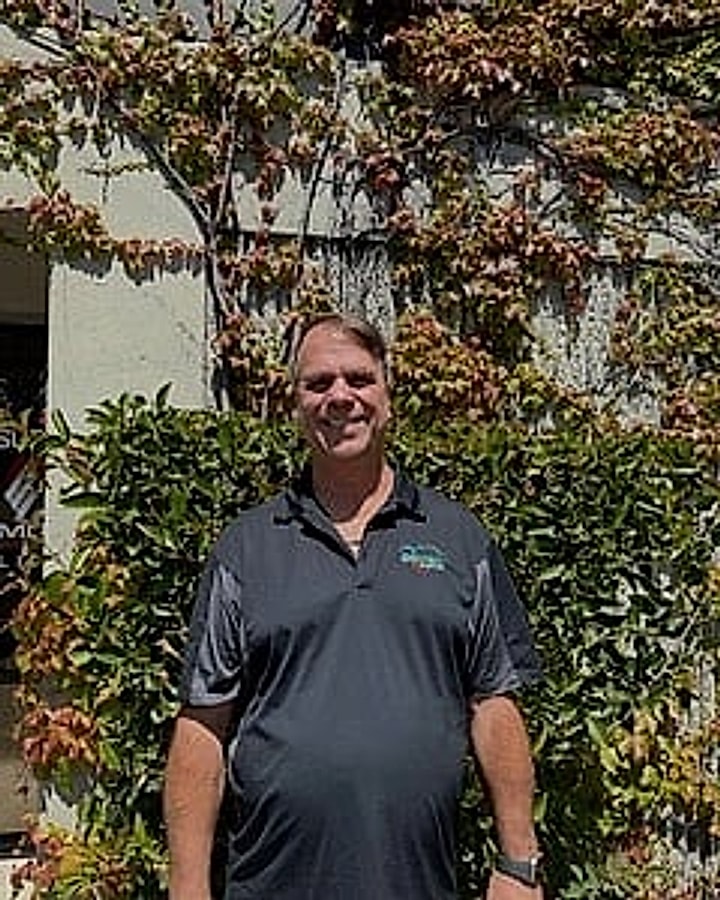
Author: Chris Street · Co-Owner & Comfort Specialist
Chris Street brings 32 years of hands-on HVAC experience to every Enviro project. He co-owns Enviro Heating & Air Conditioning with his wife, Lori — a true family business, with five of their children working alongside them. Founded in 2008 and based in Rohnert Park, the NATE-certified, Diamond Certified team (California CSLB #928565) is built on honesty, reliability, and community, delivering energy-efficient comfort and top-tier workmanship across Sonoma, Marin, and Napa Counties.
Published: · Last updated: